

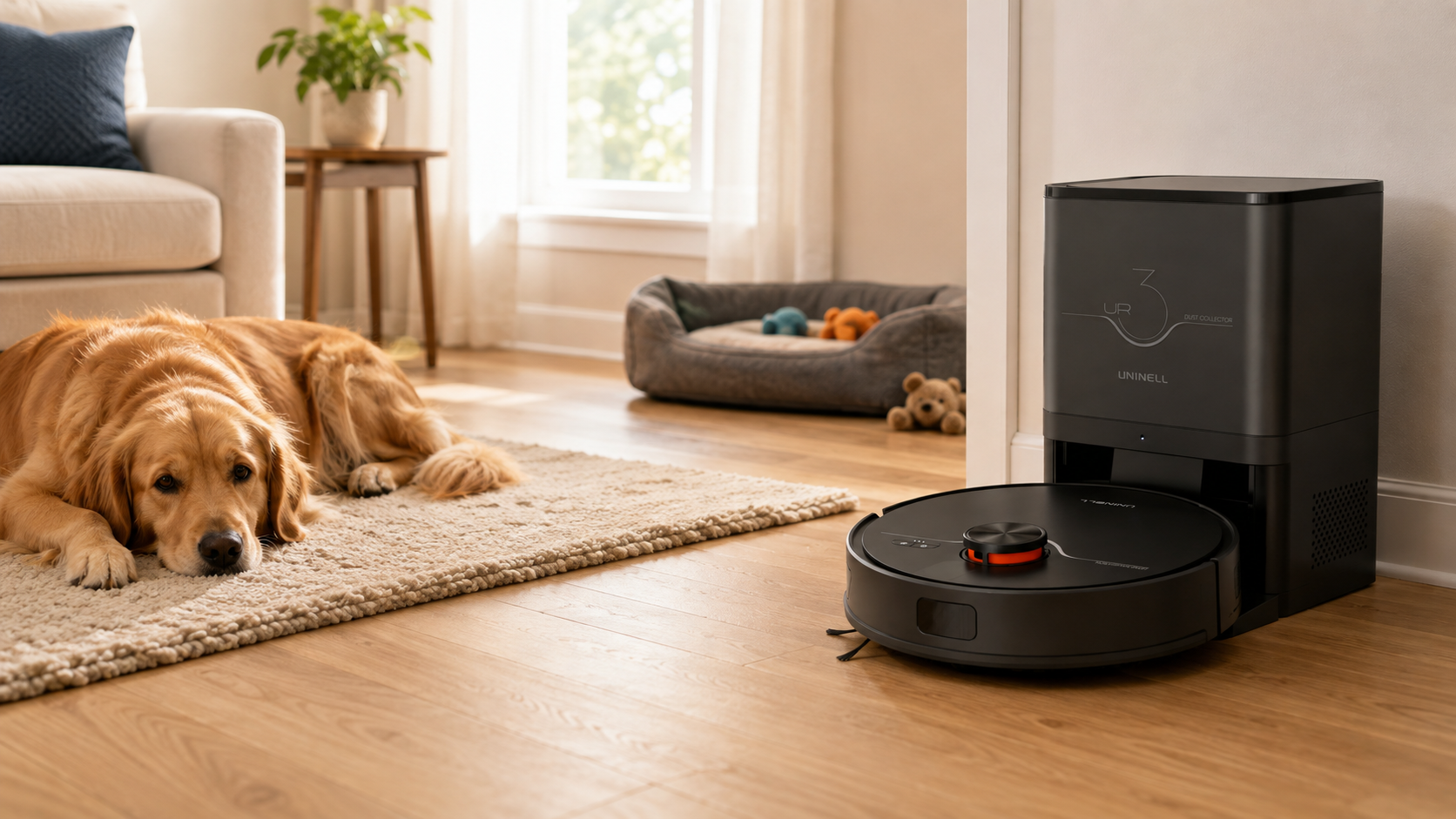
Why Pet Hair Builds Up So Quickly
Pet hair does not stay in one place. It moves with airflow, sticks to rugs and upholstery, and collects in corners where it is easy to miss.
Even short-haired pets shed. Seasonal coat changes, indoor heating, and regular play can all make that shedding feel more noticeable.
Hair is not the only concern, either. Pets can bring in small pieces of grass, dirt, sand, and outdoor debris. Over time, these particles can collect around entryways and across hard floors.
Regular vacuuming helps prevent a buildup of hair and grit, making your home feel cleaner between deeper cleaning days.
How Often Should You Vacuum With Pets?
There is no single schedule that works for every home. The right routine depends on how many pets you have, how much they shed, and where they spend most of their time.
One Pet With Moderate Shedding
For one cat or dog with moderate shedding, vacuuming the main living areas two to three times a week is often enough.
Focus on rugs, sofa edges, hallways, and the places where your pet naps or plays most often.
Multiple Pets or Heavy Shedders
If you have multiple pets—or one dog or cat that sheds heavily—vacuuming every other day can make a noticeable difference.
During seasonal shedding periods, a quick daily clean in high-use areas can help prevent fur from spreading throughout the home.
Homes With Children, Carpets, or Allergy Concerns
Homes with young children, carpets, or family members sensitive to dust may benefit from a more frequent schedule.
You do not need to clean every room daily. Instead, prioritize the spaces where pets, people, and everyday activity overlap.
A Realistic Room-by-Room Cleaning Schedule
Cleaning every room at the same frequency is not always necessary. A room-by-room routine helps you spend less time cleaning while still staying ahead of the mess.
Pet Sleeping Areas: Daily or Every Other Day
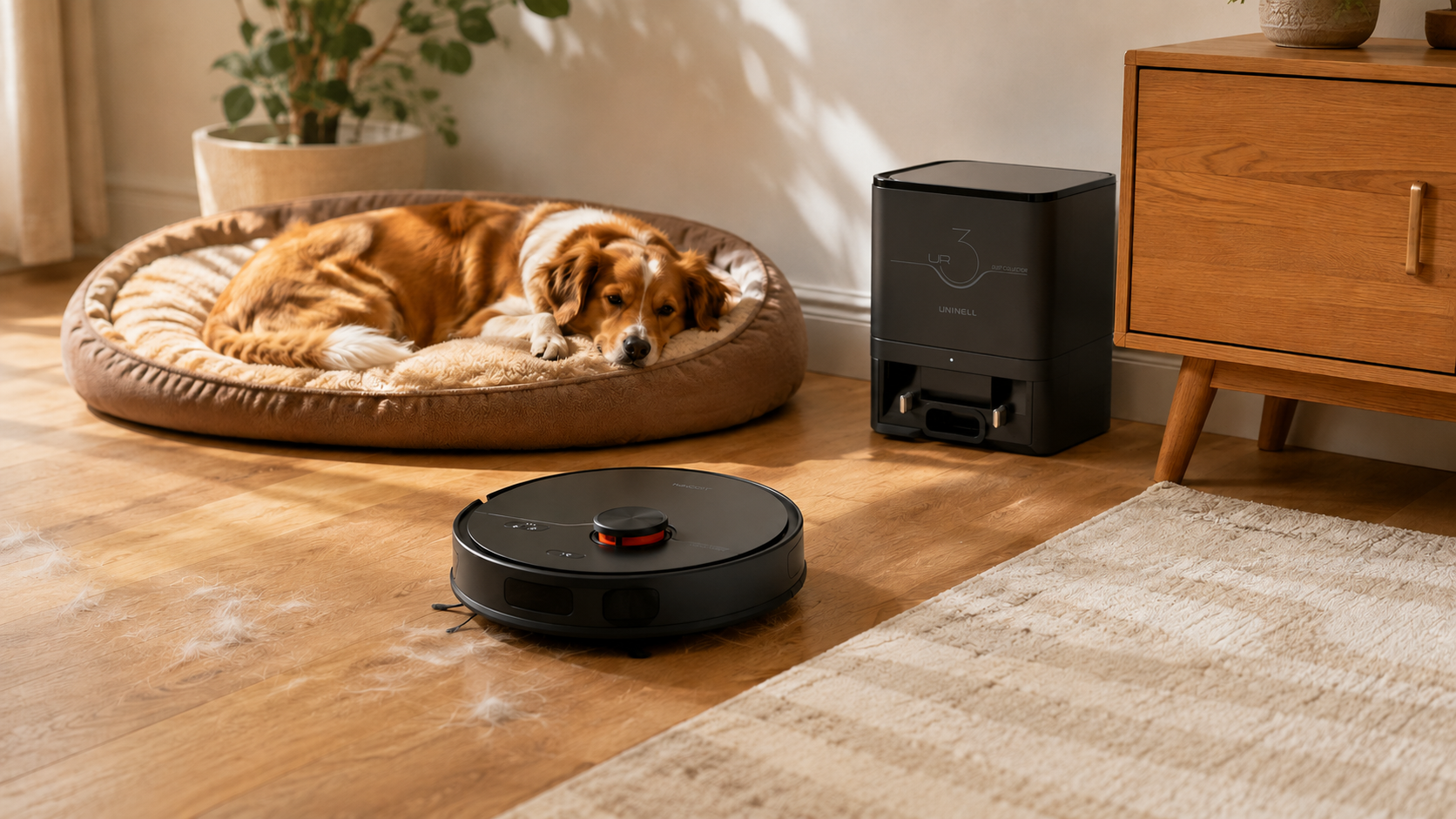
Pet beds, crates, blankets, and nearby floors are common fur hotspots.
A quick vacuum around these areas each day—or every other day—can stop hair from collecting in corners and spreading to other rooms.
Living Room: Three to Five Times a Week
The living room is often where pets spend the most time with the family. Fur can build up quickly on rugs, under coffee tables, and along the edges of sofas.
If your pet likes to nap in the living room, make this space a priority in your weekly routine.
Entryway and Hallways: Two to Three Times a Week
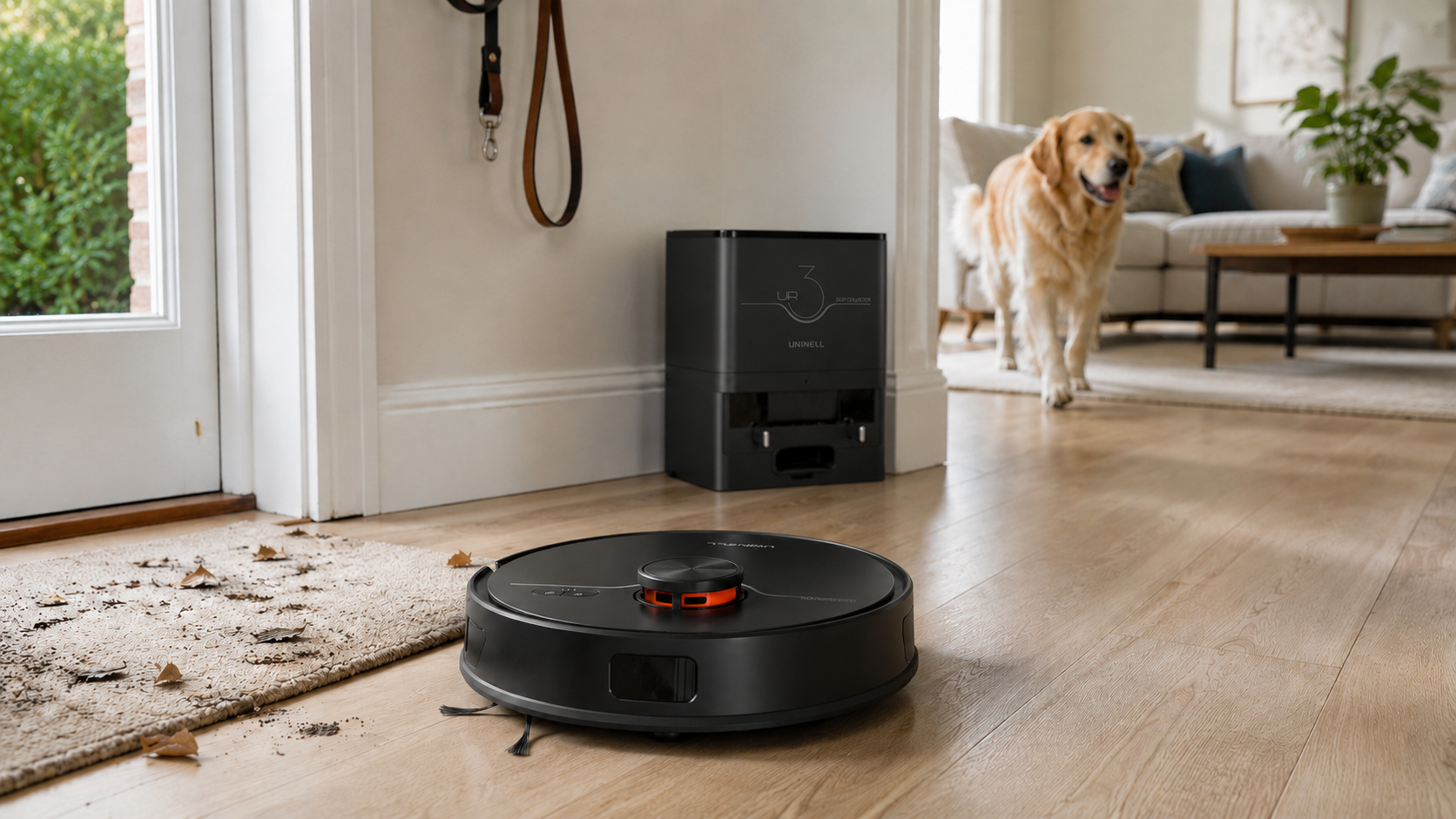
Pets can track in dust, leaves, and small bits of debris after walks or outdoor play.
Cleaning entryways and hallways regularly helps keep that dirt from travelling farther into your home.
Kitchen and Feeding Area: Two to Three Times a Week
Pet food crumbs, water splashes, and loose fur can collect around bowls surprisingly fast.
A quick clean after meals or a scheduled vacuum a few times a week can help this area stay fresher and more comfortable.
Bedrooms: Once or Twice a Week
If your pet sleeps in your bedroom or is allowed on the bed, vacuuming once or twice a week may be necessary.
For pet-free bedrooms, a weekly clean is usually enough for regular maintenance.
Signs Your Home Needs More Frequent Vacuuming
Not sure whether your schedule is working? Look for these common signs:
- Fur collecting along baseboards or under furniture
- Hair sticking to socks, clothes, or blankets
- Dusty-looking rugs shortly after cleaning
- More debris around pet bowls or litter areas
- Floors feeling gritty underfoot
- Increased sneezing or irritation indoors
These signs do not mean you need a major cleaning session. Often, a short and consistent clean is enough to reset the space.
How to Make Pet-Hair Cleaning Easier
The easiest cleaning routine is one that fits into daily life. Instead of waiting until your floors look messy, break cleaning into smaller, manageable sessions.
For example, you could clean the pet area in the morning, schedule the living room for the evening, and run a whole-home clean once or twice each week.
This approach helps reduce the amount of fur that gets pushed under furniture or trapped in rugs. It also means you spend less time doing one large weekend cleanup.
Keep Floors Clear Before Cleaning
Pick up charging cables, small toys, and lightweight items before running a vacuum. This helps create a smoother cleaning path and reduces the chance of interruptions.
Use a Schedule You Can Maintain
A realistic schedule is more helpful than an ambitious one. Start with two or three cleaning sessions each week, then increase the frequency only in the rooms that need it.
Do Not Forget Under Furniture
Pet hair often gathers beneath sofas, beds, and side tables. Choosing a vacuum that can reach these low-traffic areas can make a big difference over time.
What to Look for in a Robot Vacuum for Pet Homes
A robot vacuum can make frequent cleaning much easier, especially for busy pet owners. When choosing one, look beyond suction power alone.
Strong suction helps lift hair, crumbs, and everyday dirt from both hard floors and rugs.
Anti-tangle brushes are important for reducing the amount of hair that wraps around the brush roll.
Smart navigation helps a robot vacuum clean methodically around furniture instead of moving randomly through the room.
Scheduling controls make it easier to maintain a routine without remembering to start each session manually.
Finally, a self-emptying station is especially useful for pet homes. More frequent cleaning often means more collected hair, so a larger dust collection system can reduce how often you need to empty the bin yourself.
A Simpler Way to Stay Ahead of Pet Hair
Pet hair is part of sharing a home with a dog or cat—but constant manual cleaning does not have to be.
For households that need frequent cleanup, the UNINELL HOME UR3 Robot Vacuum offers 7000Pa suction, anti-tangle cleaning, smart navigation, and a 3.5L self-emptying station that can store dust and pet hair for up to 90 days.
Ready to make daily pet-hair cleanup easier? Learn more about UNINELL HOME UR3.